2025: Ahead of the Curve
From a 3D-printed bridge to groundbreaking research and collaborative partnerships, innovation led the way this year.


The American Institute of Steel Construction made significant strides in 2025, marking broader progress across the steel design and construction community.
With new technical guidance, expanded outreach efforts, and continued investment in workforce and sustainability, we strengthened both our reach and our industry.
Here’s a look at the accomplishments that shaped 2025.
Driving Tech Uptake and Digital Efficiency
AISC made buzzworthy innovations accessible for the steel industry in 2025.

AISC’s booth at NASCC: The Steel Conference in 2025 showcased the intriguing potential of 3D-printed steel. Go inside the design and printing of an additive-manufactured steel pedestrian bridge!

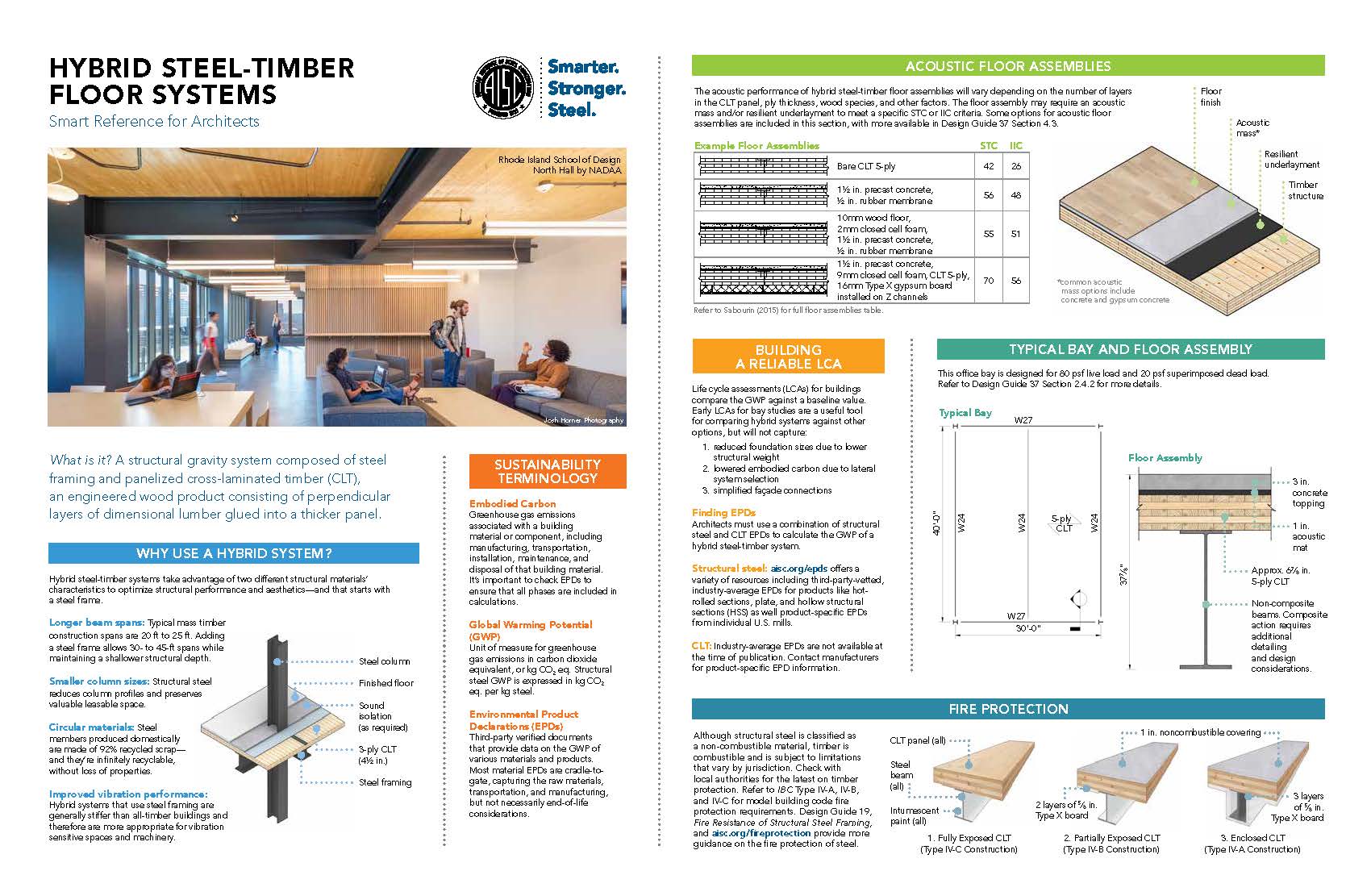
AISC's Smart References make our technical documents more accessible to emerging structural engineers, architects, and other professionals.
AISC's Smart References make our technical documents more accessible to emerging structural engineers, architects, and other professionals.
- AISC launched Clark, an advanced AI model. Have a technical question? Let AISC’s new chatbot search through thousands of pages of authoritative steel standards and technical documents for you! Clark will do the heavy lifting, searching through the Steel Construction Manual, Seismic Design Manual, all AISC standards, and, of course, all AISC design guides—and it will show you where it found the information you asked for. Clark is a closed system, as well, so you don’t have to worry about it picking up bad habits from other users. Since its unveiling, Clark has answered more than 22,000 questions.
- A cross-disciplinary team met a newly identified market need with a new kind of resource: Smart References. These short documents make our technical documents more accessible to emerging structural engineers, architects, and other professionals, and they’ve proven quite popular. The Smart Reference about steel/CLT hybrid design has been downloaded more than 1,500 times since its release in January. The second in the series, on floor vibration, has garnered more than 800 downloads in under three months. In addition, we developed a new Steel Innovations Steel Talk and presented it at four state SEAs.
- AISC, in partnership with Lincoln Electric Additive Solutions, Georgia Tech, CAST CONNEX, MKA, and SteelFab, showcased a 3D-printed steel bridge at NASCC: The Steel Conference to demonstrate how connections, interesting aesthetics, and tight radii can be achieved with this new technology. After The Steel Conference, the bridge was transported to Georgia Tech where Ryan Sherman used it as part of his research for his Milek Fellowship. He is load testing various components of the bridge to learn more about how the additively manufactured components behave.
- AISC contracted with KL&A to perform a detailed case study for a typical multistory residential building utilizing a steel-framed system with a shallow-depth composite floor system and proposed hot-rolled asymmetric steel beams. Phase 1 has been completed, and Phase 2 is on track to be completed and reviewed by the evaluation panel by year-end.
- We completed technical case studies assessing how updates to ASCE 7 environmental load provisions affect the design of steel structures, including comparative evaluation and presentation of ASCE 7-16 vs. 7-22 snow loads and review of proposed ASCE 7-28 MWFRS wind load revisions.
- We published a research report on a project with huge potential to reduce the cost and increase the speed of steel construction. Matthew Yarnold and Kadir Sener from Auburn University published their final report on Drop-In Top Flange Connections, which show promise as an erector-friendly alternative to single plate connections (shear tabs), double-angle connections, and seated connections. (Drill down at aisc.org/research to read the entire paper)
- Matthew Yarnold’s research into asymmetric shapes has transitioned from the laboratory to industry. AISC is working with KL&A Engineers and Builders to develop a detailed case study on how asymmetric shapes can be used in a multi-story residential building. The case study will include full designs, cost analyses, sustainability studies, and construction schedules.
- The FastFloor Commercial Project made great strides in 2025. The research team conducted full-scale tests for load, vibration, and acoustics for the novel framing system. A full-size specimen was constructed in the West Virginia University structural engineering laboratory to conduct the tests, and that specimen has been transported to Purdue University for fire tests in early 2026.
Expanding Outreach to Grow Market Share
AISC is forging new connections with industry segments that represent untapped opportunities for successful interaction.

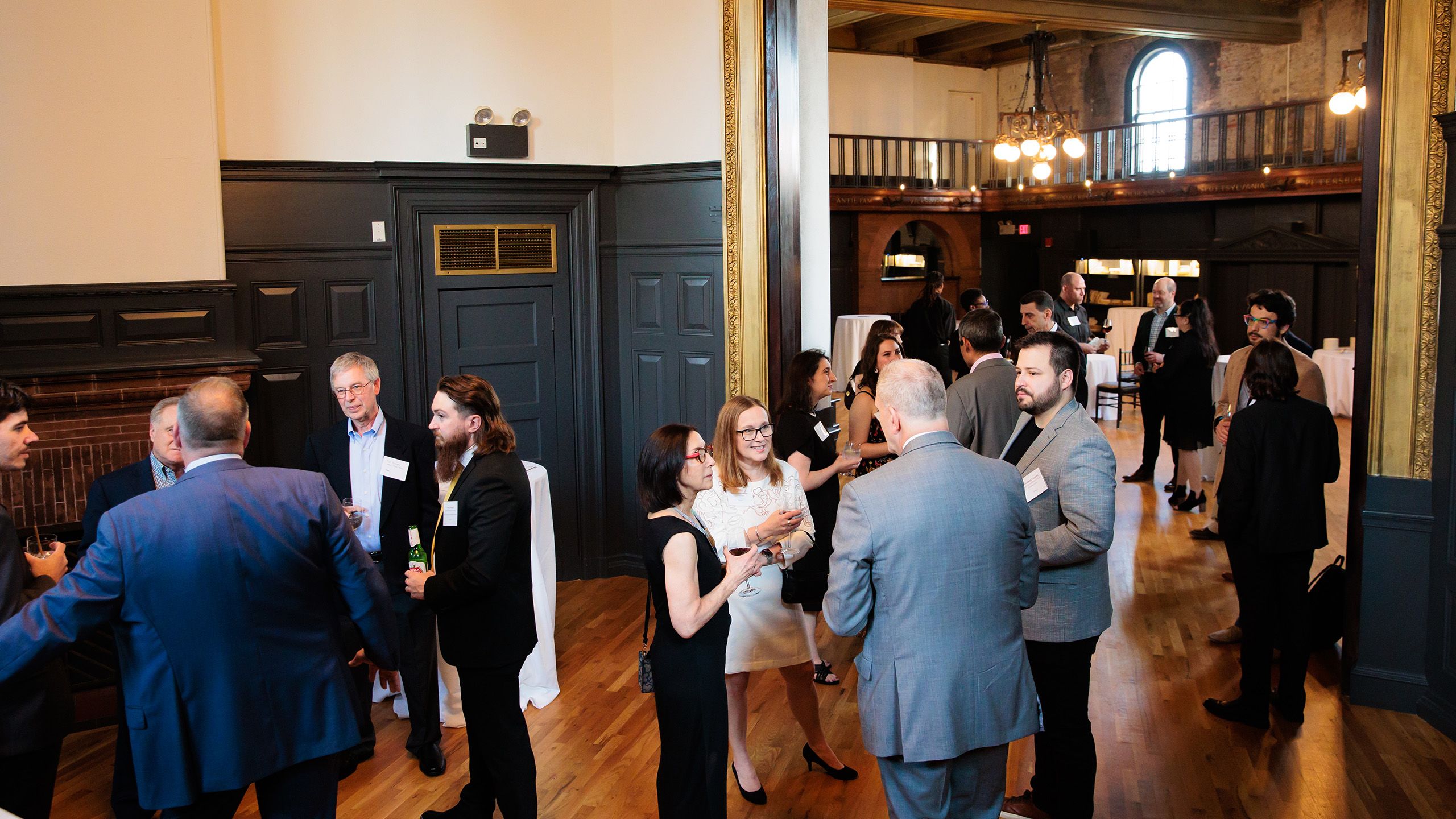

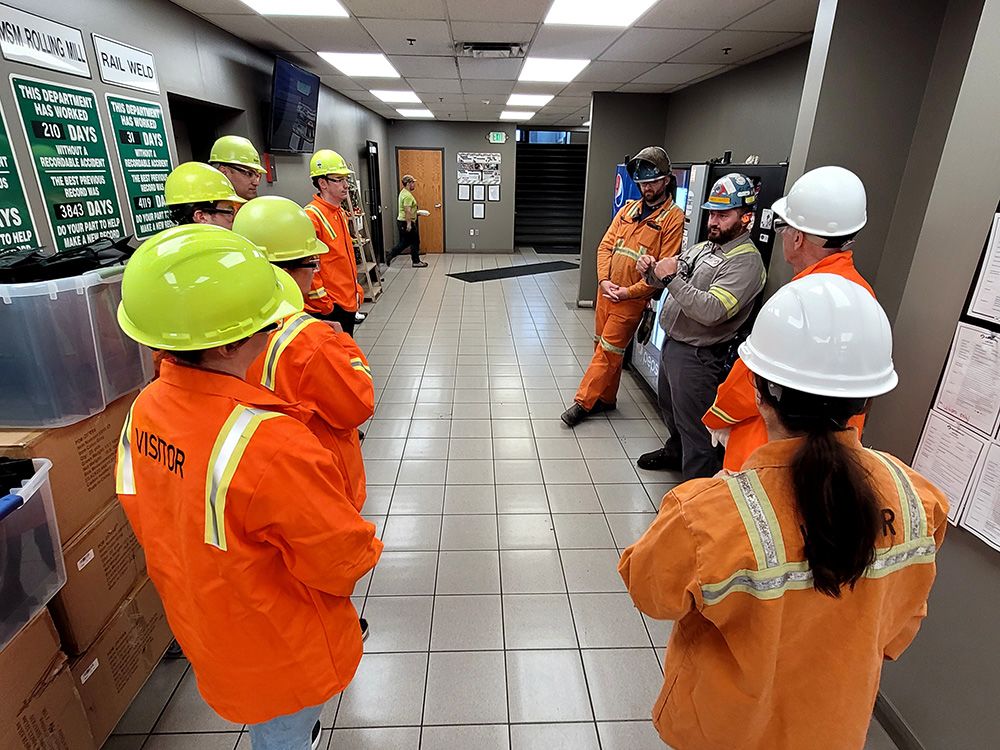
The Architecture Center brought architects and engineers to Steel Dynamics, Inc. in Columbia City, Ind. for a firsthand look at sustainable steelmaking in action.
The Architecture Center brought architects and engineers to Steel Dynamics, Inc. in Columbia City, Ind. for a firsthand look at sustainable steelmaking in action.

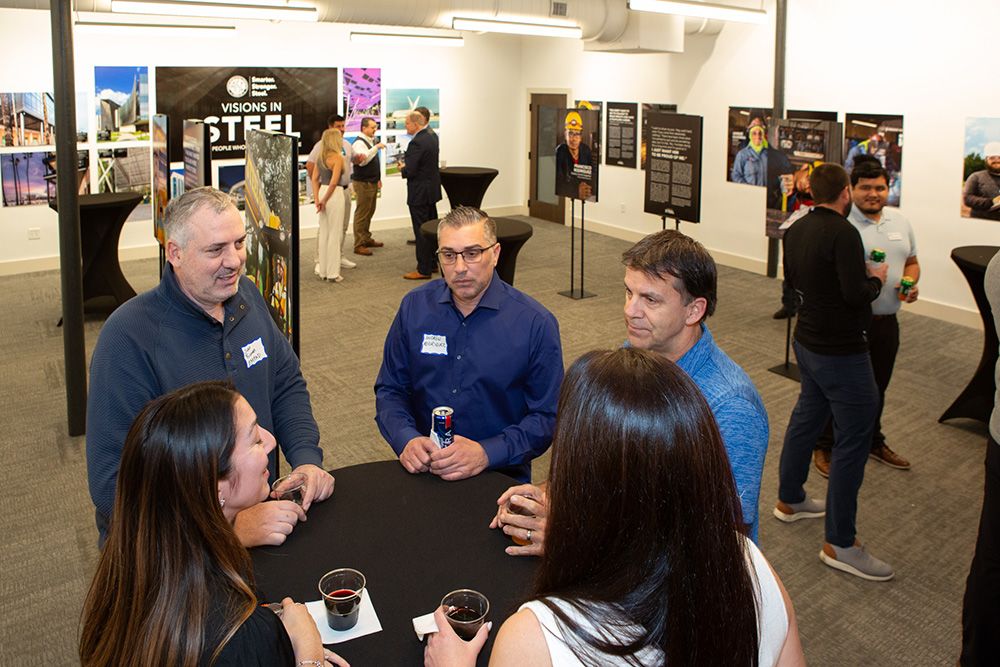
Tampa's Visions in Steel exhibition, the first of two hosted by AISC in 2025, celebrated the individuals who make steel before it arrives at a jobsite.
Tampa's Visions in Steel exhibition, the first of two hosted by AISC in 2025, celebrated the individuals who make steel before it arrives at a jobsite.
- Our new General Contractor Initiative has created specific information directed at this key audience. The initiative focuses on the Code of Standard Practice, sustainability, and AISC Certification, all of which are collected in a single online hub. We’re also reaching this audience through presentations to both local AGC chapters and national webinars, as well as articles in national publications for GCs. Currently, we provide 13 Toolbox Talks for GCs.
- The Architecture Center, established in 2024, is reaching a growing audience of architects—connecting this key audience with fabricators and structural engineers while promoting the beauty, ease of design, and functionality of structural steel.
- Our Architecture Center newsletter subscriber base has grown by 50% in the year since its launch. That newsletter now boasts an average open rate of 20.3%, significantly exceeding industry benchmarks. We also revamped the Architecture Center webpage, resulting in a 25% year-over-year increase in traffic.
- In addition, we reached an audience of more than 500 architects through AIA-accredited webinars, published an article in the AIA’s newsletter, participated in two podcasts with AIA National 2025 President Evelyn Lee, presented to more than 360 architects at the AIA National Convention, increased our visibility with 16 local AIA chapters (which included sponsoring two steel mill tours), moderated an AESS panel at the ASPIRE regional conference, and offered a session and tour at this year’s NOMA conference.
- The first IDEAS Awards night, held at the AIA’25 conference, drew rave reviews from our guests and set a model for us to continue boosting both the visibility of design excellence with steel and the overall prestige of the IDEAS Awards program.
- Our Visions in Steel exhibits help increase the visibility of steel fabricators with architects. These programs share the personal stories of individuals who work at steel fabricators through rotating exhibits at architecture centers nationwide. This year, we held exhibits in Tampa and Raleigh. Additionally, we created a website to further expand our reach and increase exposure and featured the program in Modern Steel Construction magazine.
- We engaged more than 1,000 participants during Open House New York Weekend to showcase sustainable and innovative uses of structural steel through building tours, seminars, and exhibits highlighting the work of AISC full members and other steel industry partners.
- We developed a new advertising campaign focused on architects, highlighting the recyclability of steel (cars, tea pots, and refrigerators that imagine someday they’ll be a new building).
- Unlike many publications that have abandoned print and focused purely on digital, Modern Steel Construction continues to publish 12 issues per year while adding more architects and increasing its digital engagement.
- We’re creating strong connections between AISC and the regional fabricator associations through the AISC/Regional Fabricator Association Partnership Program. With 10 partners actively engaged, the program is fueling meaningful, high-value outcomes across the country. Associations are using partnership resources to expand scholarship programs, host dynamic tours and hands-on events that introduce high school students to careers in structural steel, and deliver high-quality educational programs for architects and engineers. Several groups also shared that this support is helping them deepen member engagement and significantly broaden outreach within their local design and construction communities. AISC also provides management services for three regional associations. This support has helped them strengthen their social media presence, stay organized with meeting planning, make effective use of their grant funding, and expand the benefits they offer to their members.
- We connected with students and industry professionals at career fairs and conferences across the nation.
Leading the Charge in Sustainability and Code Advocacy
AISC is providing the needed sustainability resources to fundamentally transform the market's perception of structural steel.

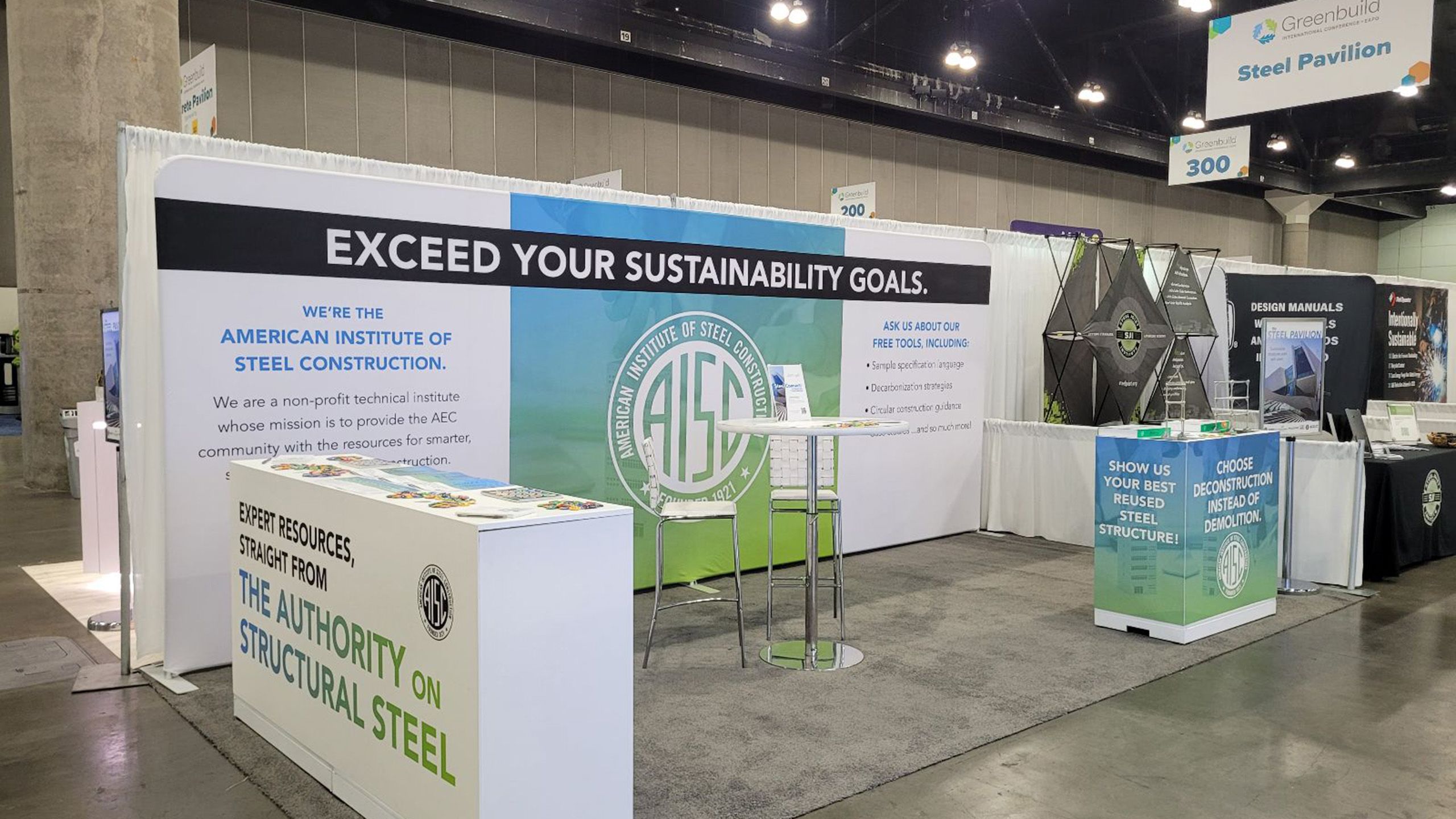

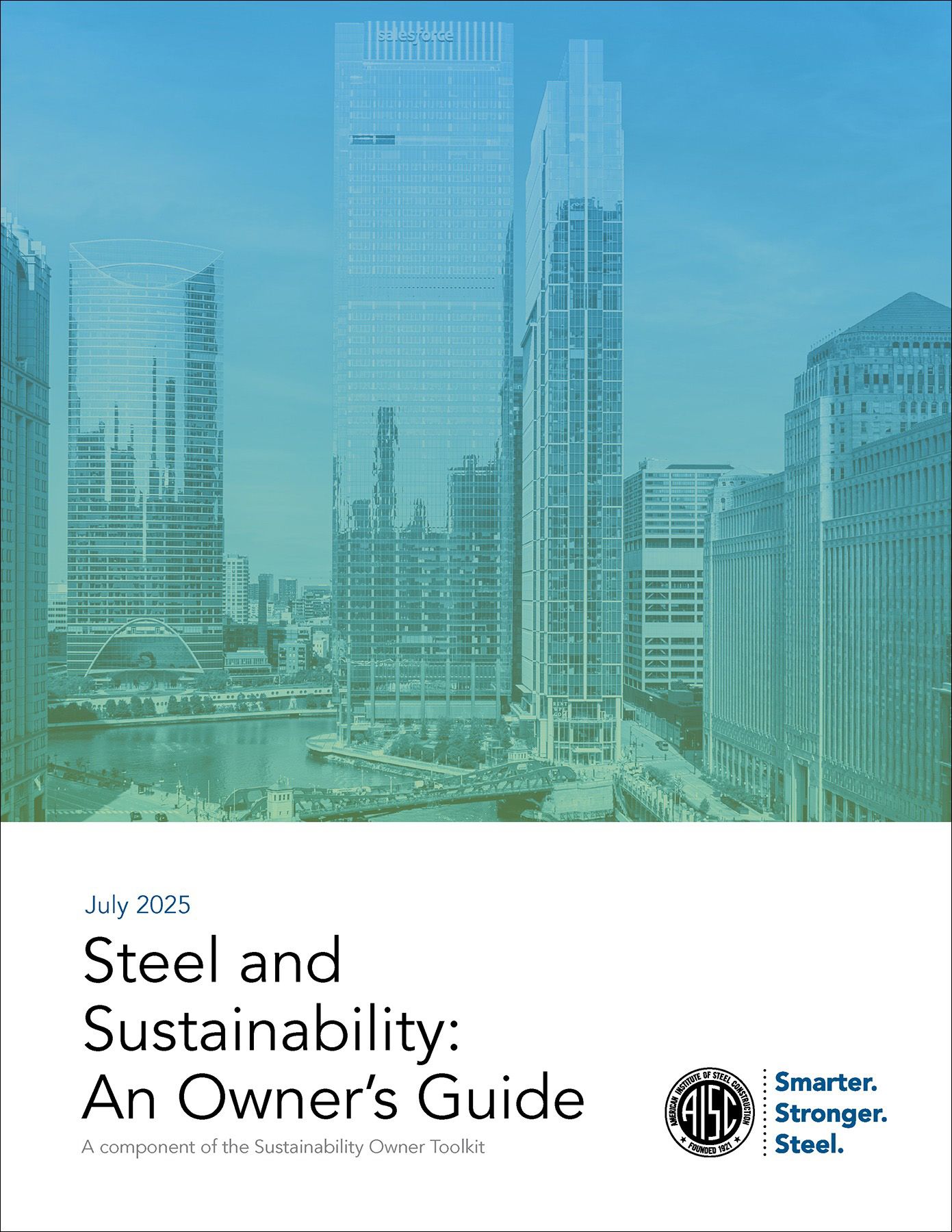
AISC's Sustainability Toolkits provide up-to-date, accurate technical resources, from Environmental Product Declarations (EPDs) to specific design guidance, that empower designers, owners, builders, and policymakers to champion low-carbon, resilient projects.
AISC's Sustainability Toolkits provide up-to-date, accurate technical resources, from Environmental Product Declarations (EPDs) to specific design guidance, that empower designers, owners, builders, and policymakers to champion low-carbon, resilient projects.
- In May, we issued sustainability toolkits for owners and for designers; these powerful tools have been downloaded more than 1,000 times.
- In October, the USGBC released v5 of its LEED program. With designers and sustainability consultants scrambling to find current information, AISC released a tool to navigate LEED v5 credits with structural steel in time for the annual Greenbuild conference.
- AISC has released new industry-wide EPDs, showing a more than 10% reduction in embodied carbon for domestic hot-rolled sections and fabrication over the past four years, an achievement widely applauded by the sustainability community.
- The new industry-wide EPD has been updated in SE 2050’s ECOM tool, which is a widely used embodied carbon estimator for designers and contractors.
- We partnered with the concrete and masonry industries and successfully persuaded the ASHRAE 240P Committee to recommend changes in how biogenic carbon is accounted for, which will substantially reduce the overstated claims of wood.
- We succeeded in getting the ATHENA Sustainability Materials Institute to agree to modify the A5 values in its Impact Estimator for Buildings, which will provide increased accuracy for LCAs when considering various structural materials.
- After years of effort, AISC finally was successful in getting on the program at the annual GreenBuild conference and attracted an audience of nearly 100 sustainability professionals. AISC has also presented sustainability talks at other national and local conferences, reaching hundreds of designers.
- We helped steer two major IBC proposals on delegated design through the ICC Code Committee in collaboration with NCSEA and the state of Washington.
Achieving Record Growth in Membership and Certification
AISC's membership and certification participants are at an all-time high.

- As of September 30, AISC had:
1,027 full members (fabricators, mills, service centers, HSS producers)
582 associate members (allied companies, such as detailers, erectors, bolting manufacturers, welding equipment, coating manufacturers, etc.)
39,419 professional members (engineers, architects)
788 affiliate members (GCs, code officials, etc.)
21,859 student members
1,575 educator members
- As of September 30, we had 2,036 participants in the certification program, representing an increase of 111 participants from a year earlier.
- We established an AISC Fellow Member program to recognize long-standing volunteers who have made significant contributions to AISC’s and the steel industry’s success. The first class of members was announced during this year’s Spec Meetings and will be recognized at NASCC: The Steel Conference in April 2026.
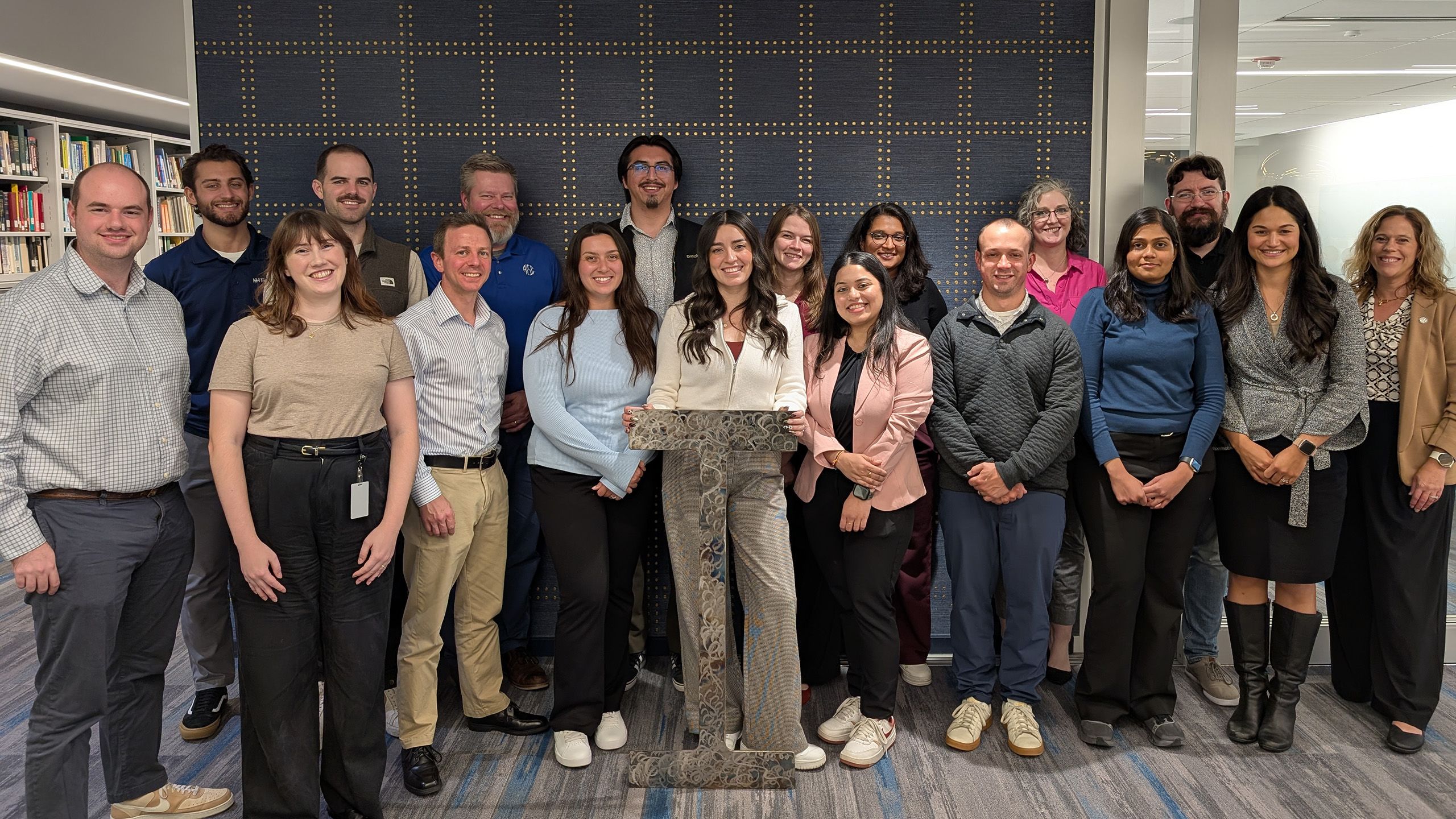
- New programs for Emerging Professionals are helping to provide a bridge between our strong university programs and our robust professional membership. Our Emerging Professionals Cohort is helping AISC develop new peer-focused tools and engaging with SEA chapters via our under-development SEA liaison program. And as a natural progression, AISC has introduced a new Emerging Professional Membership category, offering a pathway to the benefits of AISC membership for recent graduates.
Elevating Professional Development
Through its flagship programs, workshops, and online courses, AISC made continuing development exciting and attainable in 2025.

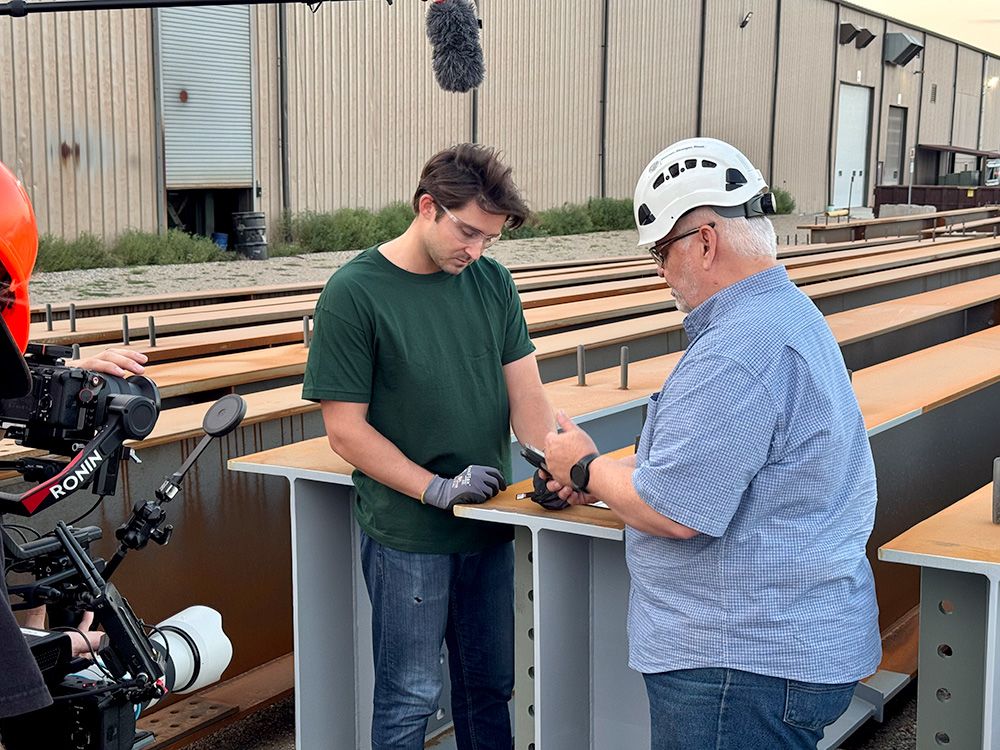
In October, the Fabricator Education Training Program team shot footage for a new module on steel coating systems at True North Steel in Fargo, N.D.
In October, the Fabricator Education Training Program team shot footage for a new module on steel coating systems at True North Steel in Fargo, N.D.

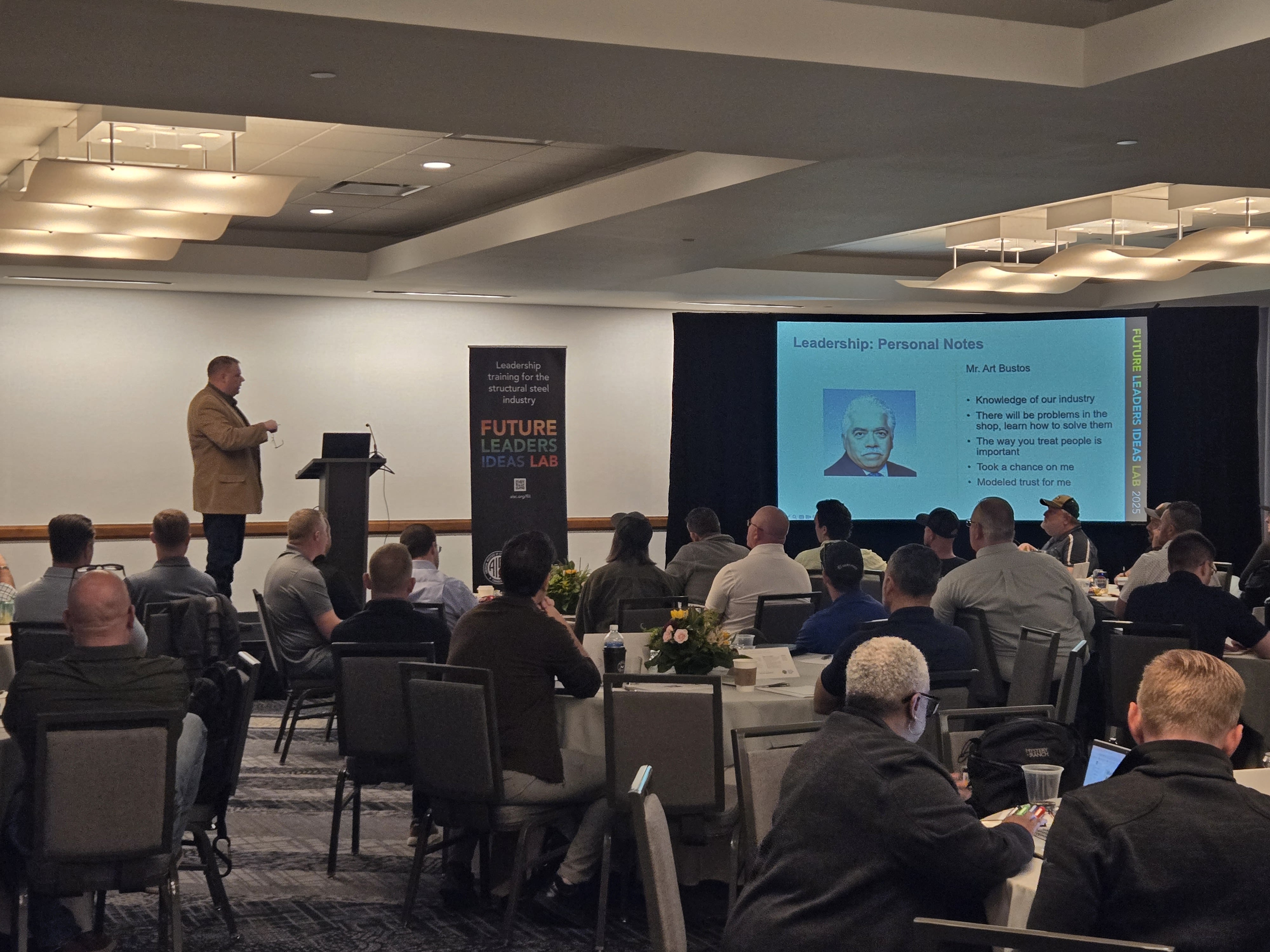
AISC hosted a group of fabricators in Phoenix at the Future Leaders Ideas Lab in November. Full-member participants spent three days making meaningful connections, learning about problem-solving, and practicing big-picture thinking. In this photo, Chris Crosby of Dave Steel shares his takeaways about leaders who have influenced his career, including AISC's own Art Bustos!
AISC hosted a group of fabricators in Phoenix at the Future Leaders Ideas Lab in November. Full-member participants spent three days making meaningful connections, learning about problem-solving, and practicing big-picture thinking. In this photo, Chris Crosby of Dave Steel shares his takeaways about leaders who have influenced his career, including AISC's own Art Bustos!

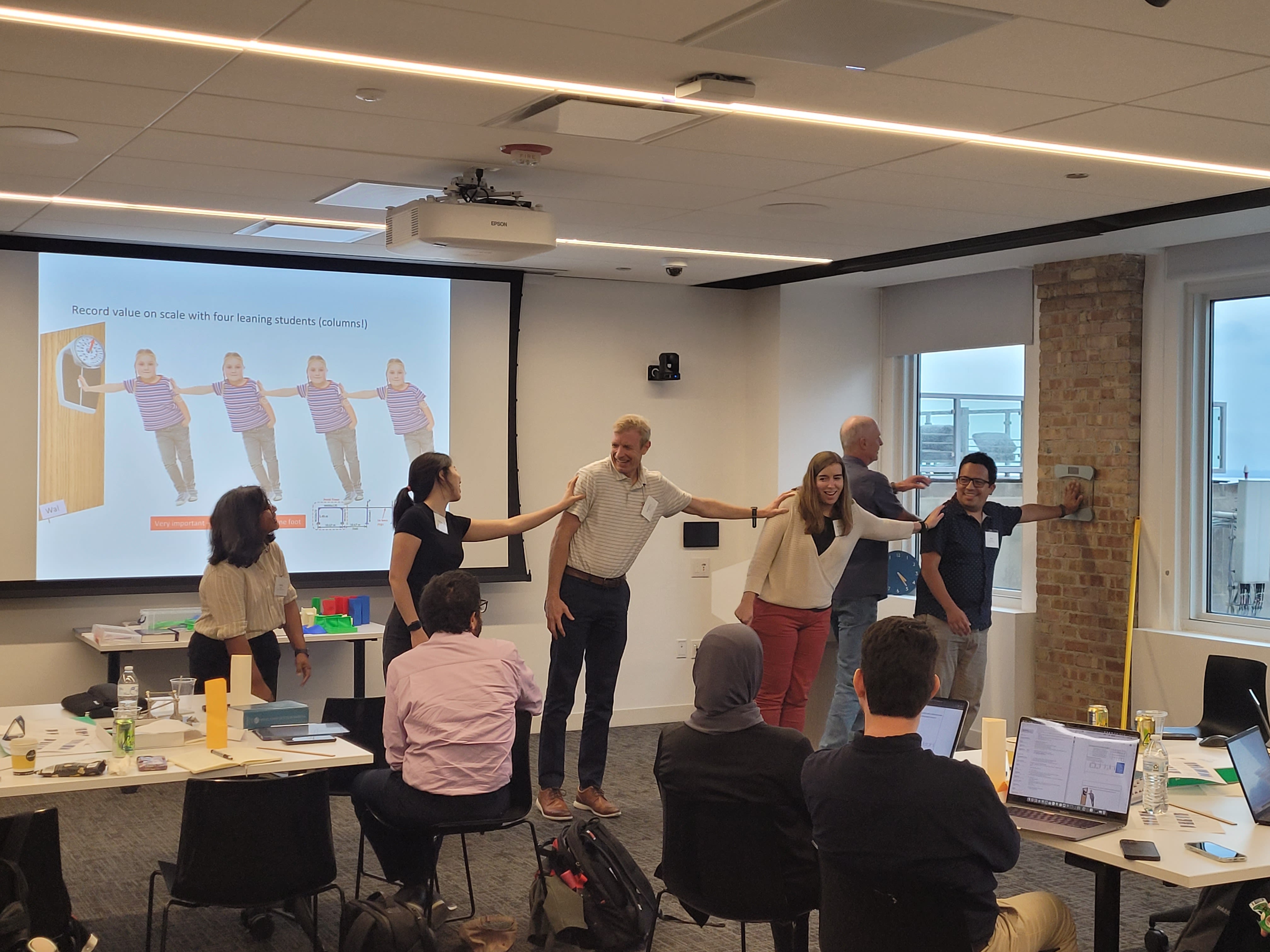
AISC introduced steel design teaching fundamentals to engineering professors at the summer educator workshop. Over three days in July, 18 participants and four facilitators gathered to discuss topics such as course design, hands-on demonstrations, student engagement, incorporating AISC resources, and special topics like AI and sustainability. They also took a field trip to Atlas Tube to observe how HSS is made—which inspired participants to connect with steel fabricators back home!
AISC introduced steel design teaching fundamentals to engineering professors at the summer educator workshop. Over three days in July, 18 participants and four facilitators gathered to discuss topics such as course design, hands-on demonstrations, student engagement, incorporating AISC resources, and special topics like AI and sustainability. They also took a field trip to Atlas Tube to observe how HSS is made—which inspired participants to connect with steel fabricators back home!
- More than 250 members have signed up for the Fabricator Education Training Program, and their staff have completed over 10,000 online courses since the program was introduced in August 2024.
- Our fabricator educator program has received accolades not just from our members but from other training organizations. The training program was awarded Gold by Brandon Hall for Best Association Professional Development Program, Silver by the American Society of Association Executives for their Power of Associations program, and Bronze by the International E-Learning Association for Online Learning Experience.
- We added another 26 courses in 2025, including a 23-part curriculum on Layout and Fitup.
- We’re beta-testing an expansion of the program into vocational schools by running a trial program in conjunction with the East Valley Institute of Technology in Phoenix.
- To help younger staff at our member firms grow, we held two Future Leader Ideas Labs (reaching more than 100 managers from fabricators and other full members) and enrolled more than 120 current and future project managers in our Career Accelerator Program with Steel at NASCC: The Steel Conference.
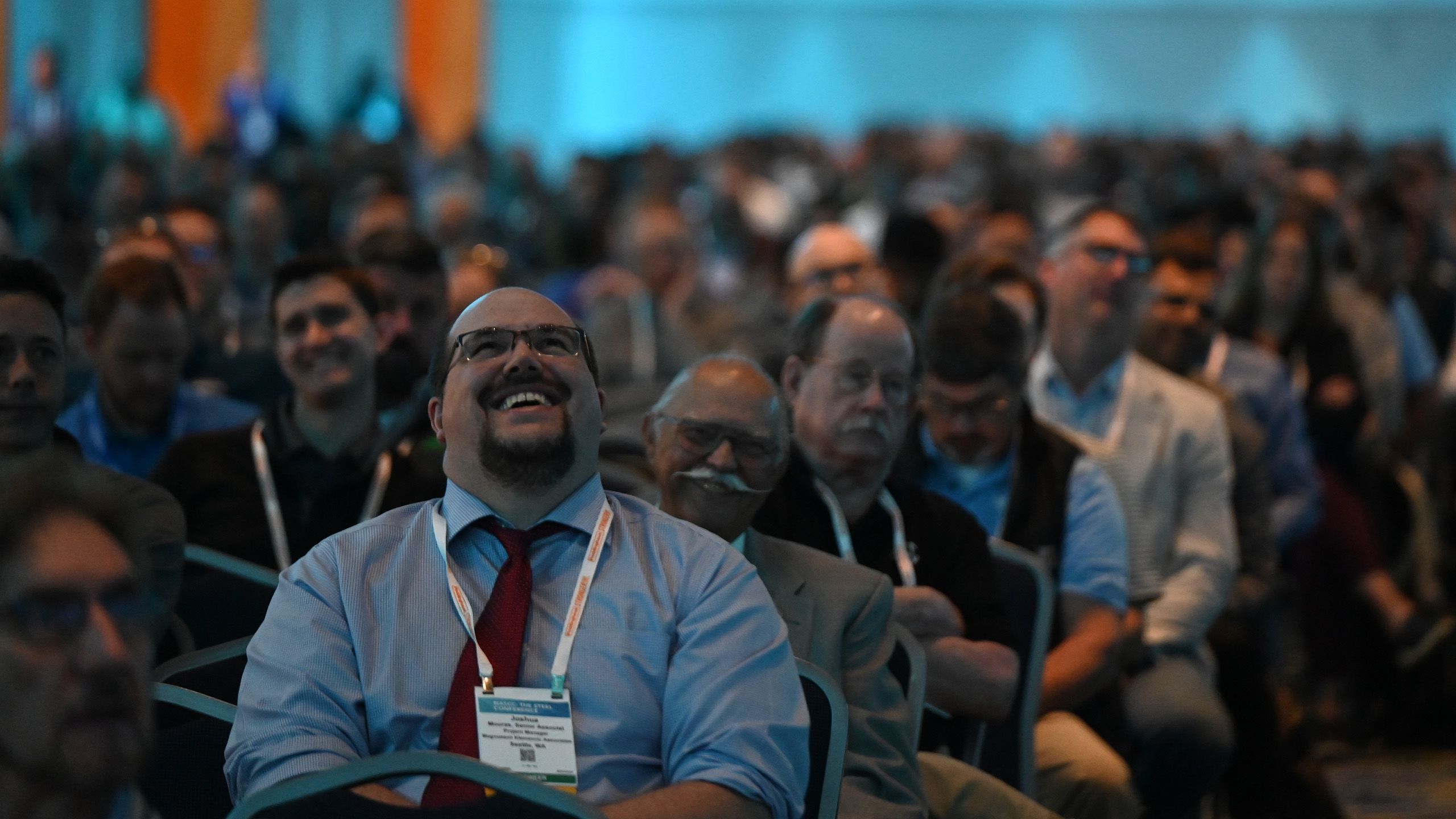
- More than 6,500 participants attended NASCC: The Steel Conference in Louisville, Ky. This year, we featured more than 270 technical sessions (in-person participants could earn up to 16 PDHs, with an additional 4 PDHs available for those who attend a short course on Tuesday); a giant exhibition hall showcasing over 300 products and services that can help you design and build better with steel; and the opportunity to network with colleagues, including leading designers, top fabricators, and prestigious researchers at the cutting edge of today’s innovation.
- Outside of The Steel Conference, AISC is one of the largest providers of continuing education for structural engineers. In 2025, our main education programs (AISC webinars, Night School courses, and the Flash Steel Conference) reached almost 25,000 attendees (an 8.7% increase compared with 2024) and awarded more than 40,000 PDHs.
- We ran a trial of our new all-access education subscription called LearningPass. Nearly 50 firms (along with 30 individuals) participated in the beta test, and the program will be fully rolled out in 2026.
- We hosted a successful three-day workshop for 18 engineering professors new to teaching steel design. Topics included designing a steel class, hands-on demonstrations, student engagement, incorporating AISC resources, and more.
- We released a new Visualize Buckling teaching aid. This interactive teaching aid illustrates various buckling failure modes, including cross-sectional, member-, and system-level buckling. Downloadable files are also available for 3D printing the models.
- We launched the Steel Capstone Project, a modular teaching aid featuring a seven-story steel building. This resource enhances our support for engineering education by enabling professors to provide their students with a realistic steel design experience. The teaching aid is fully customizable to fit specific course needs and time constraints.
Investing in the Future Workforce
AISC introduced hundreds of students to the vast world of steel and made it financially possible for them to continue their education.

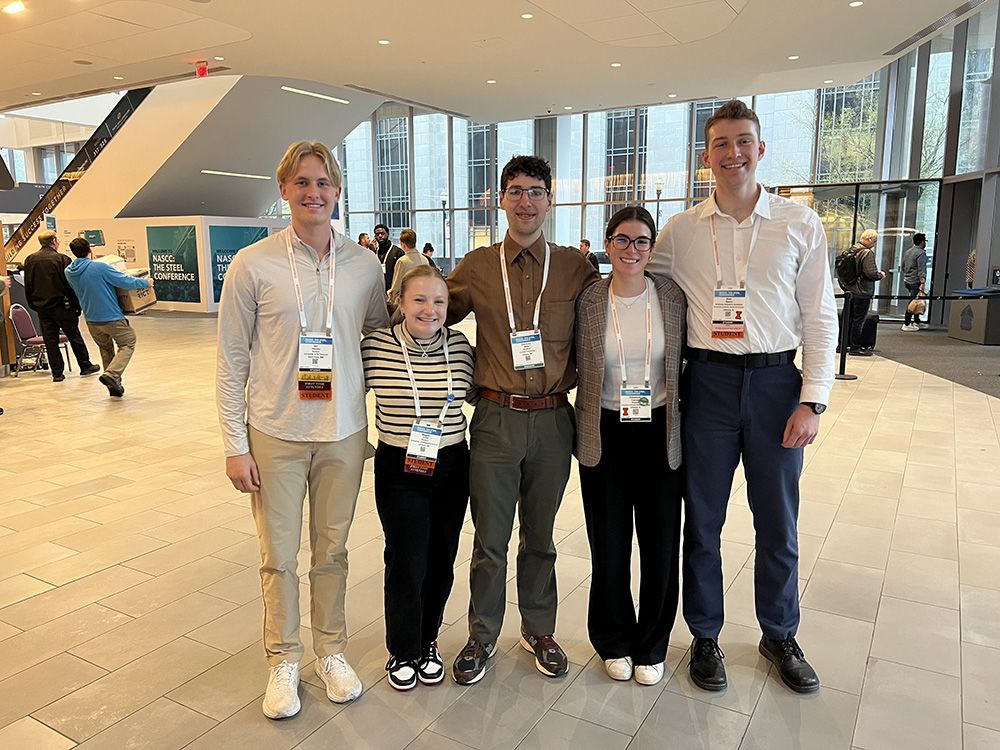
The AISC Education Foundation hosted a record 16 beneficiaries at this year's NASCC: The Steel Conference through Student Travel Grants and Steel Conference travel awards.
The AISC Education Foundation hosted a record 16 beneficiaries at this year's NASCC: The Steel Conference through Student Travel Grants and Steel Conference travel awards.
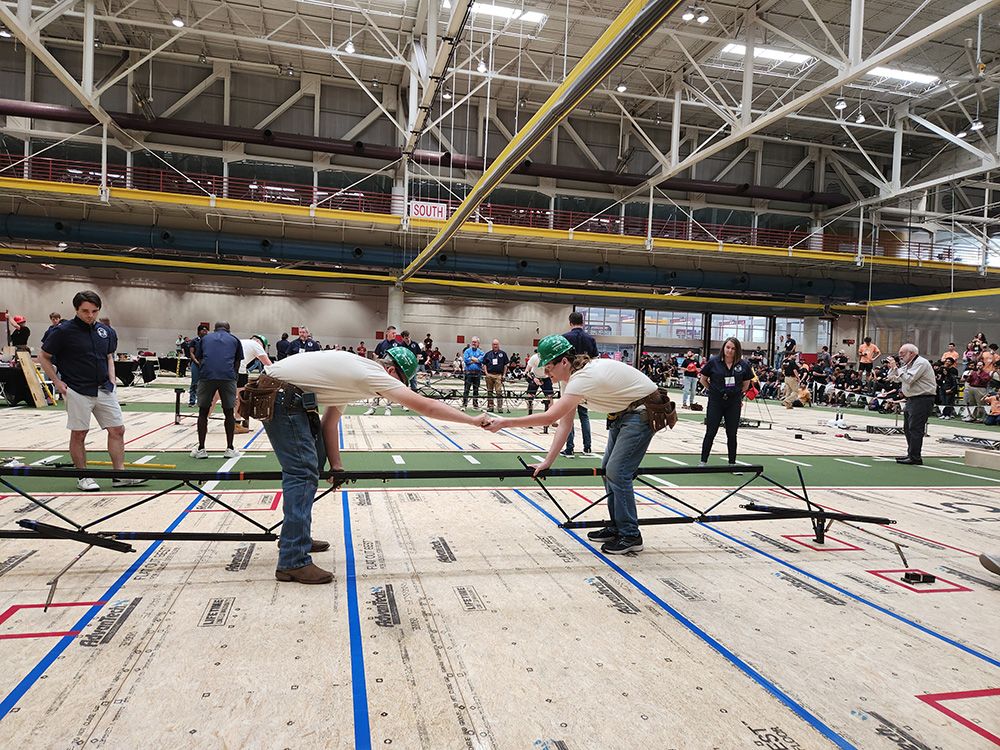
The 2025 Student Steel Bridge Competition national finals, held at Iowa State University in Ames, Iowa, brought together 43 qualifying teams from colleges and universities across North America.
The 2025 Student Steel Bridge Competition national finals, held at Iowa State University in Ames, Iowa, brought together 43 qualifying teams from colleges and universities across North America.

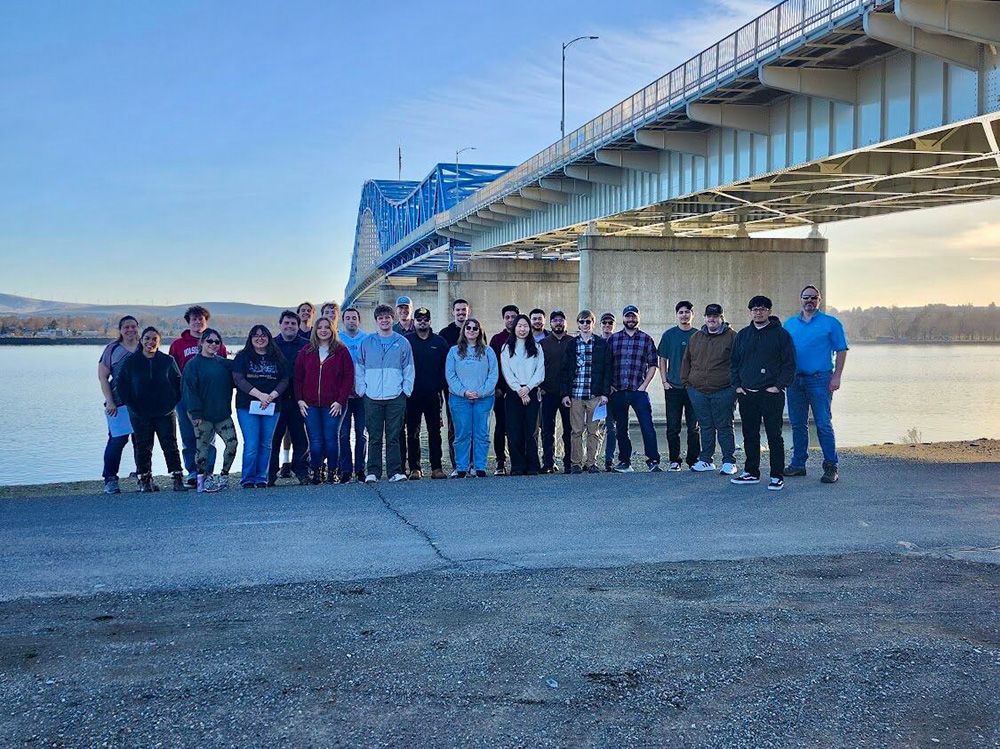
Washington State University students visited the Pioneer Memorial Bridge in February, thanks to a grant from the AISC Education Foundation.
Washington State University students visited the Pioneer Memorial Bridge in February, thanks to a grant from the AISC Education Foundation.
- We’re offering new resources and programs to architectural educators, including a program funded by the AISC Education Foundation to provide specific curriculum-related activities for architects, as well as Design-Build Grants awarded to architecture programs in Texas and Kansas. Additionally, we hosted the Biennial Building Technology Educators’ Society Conference, which drew more than 80 faculty members as participants.
- Our workforce development initiatives have reached thousands of high school students, introducing them to the benefits of a career in the steel industry.
- We piloted a webinar program, Insider Shop Talk: Building Stronger Futures, which provides access to workforce development education and provides resources to HR and training professionals.
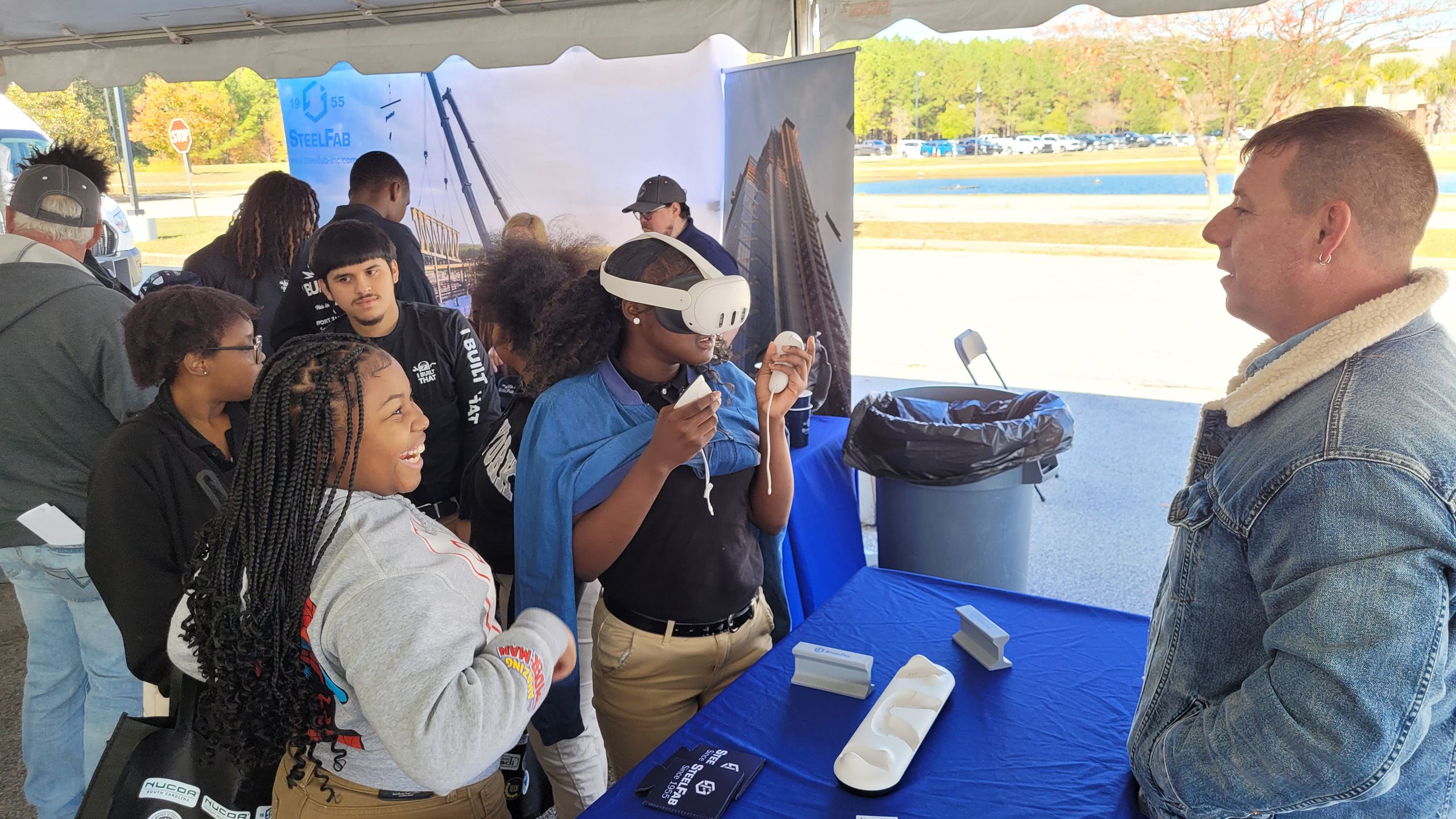
- SteelDays events reached more than 2,000 high school students and included visits to Ironworker Training Centers and steel fabricators. A partnership event with the Southeastern Institute of Manufacturing and Technology, together with Nucor, Steelfab, Vulcraft, the South Carolina Department of Employment and Workforce, and Be Pro Be Proud South Carolina, introduced more than 200 students to potential careers in steel.
- We brought more than 100 high school students to NASCC: The Steel Conference to learn about career opportunities, tour a local fabricator, and see the exhibit hall. Additionally, we conducted a series of workforce development programs at the conference specifically for fabricators.
- The AISC Education Foundation awarded more than $410,000 in scholarships to 109 students and approximately $200,000 more in grants, fellowships, and awards to educators, students, and young professionals.
- Faculty-led field trip grants, funded by the Education Foundation, brought students to fabrication shops, job sites, and ironworker training facilities, providing them with real-world insights and career-sparking connections.
- Two major gifts received from W&W|AFCO Steel support an expanded scholarship program in partnership with Oklahoma State University and two new programs (launching in 2026) offering student internships at steel fabrication shops and a field trip opportunity for AISC Scholarship recipients.
- The AISC Peggy A. McCartney/B&B Welding Company, Inc. PhD Fellowships program will launch in 2026, thanks to a major gift received this year from Dennis McCartney and B&B Welding. The program will award up to $15,000 to PhD students focused on structural steel research.
- Four students have been awarded Ernest J. McCartney/B&B Welding Company, Inc. Undergraduate Research Fellowships for the 2025-2026 academic year:
Rebecca Bishop, University of St. Thomas, with faculty sponsor Jose Capa Salinas
PhD Exploratory Studies of Epoxy Adhesives in the Retrofitting of Steel Bridges. | $8,000
Juliette Bolte, Georgia Institute of Technology, with faculty sponsor Ryan Sherman, PhD
Investigating the Effects of Multiple Weld Repairs on Steel Fatigue Life. | $4,000
Rich Calderon, University of California – San Diego, with faculty sponsor Dr. Machel Morrison
Understanding Influences on Weldability to Reduce Preheat Standards. | $8,000
Bryan Lagunas, Virginia Tech, with faculty sponsor Matt Eatherton, PhD
Exploration and Evaluation of Interaction Equations for Gusset Plates. | $8,000
- AISC collaborated with over 250 schools and hundreds of professors to provide educational resources that help students learn about designing and constructing with steel.
- The Student Steel Bridge Competition, including 20 regional competitions and the national finals, continues to grow, with 6% more participants than the previous year.
Advancing Steel Bridge Infrastructure
NSBA continues to provide the steel bridge industry with the necessary research and tools to help increase the use of structural steel in America’s bridge inventory.

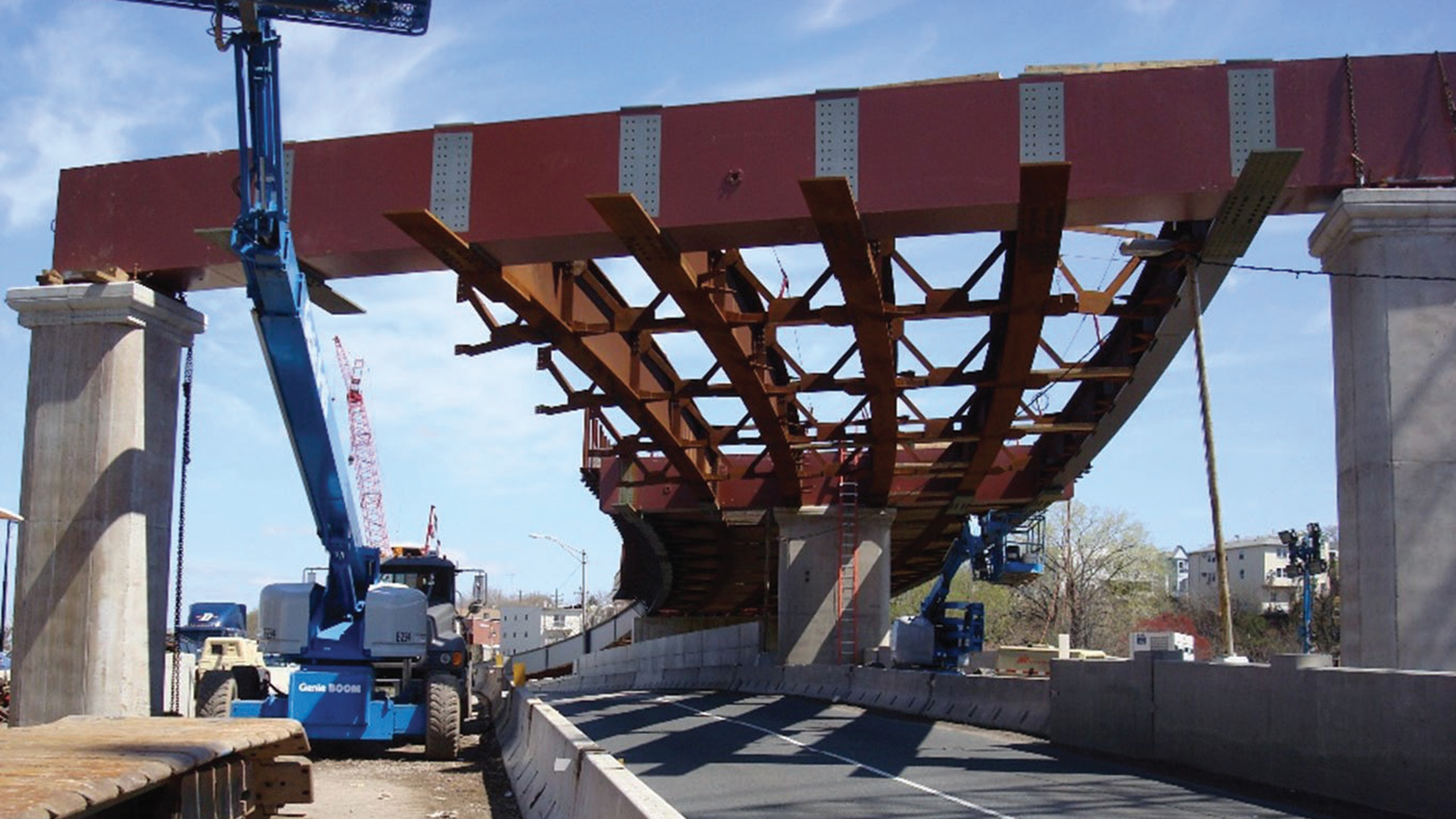

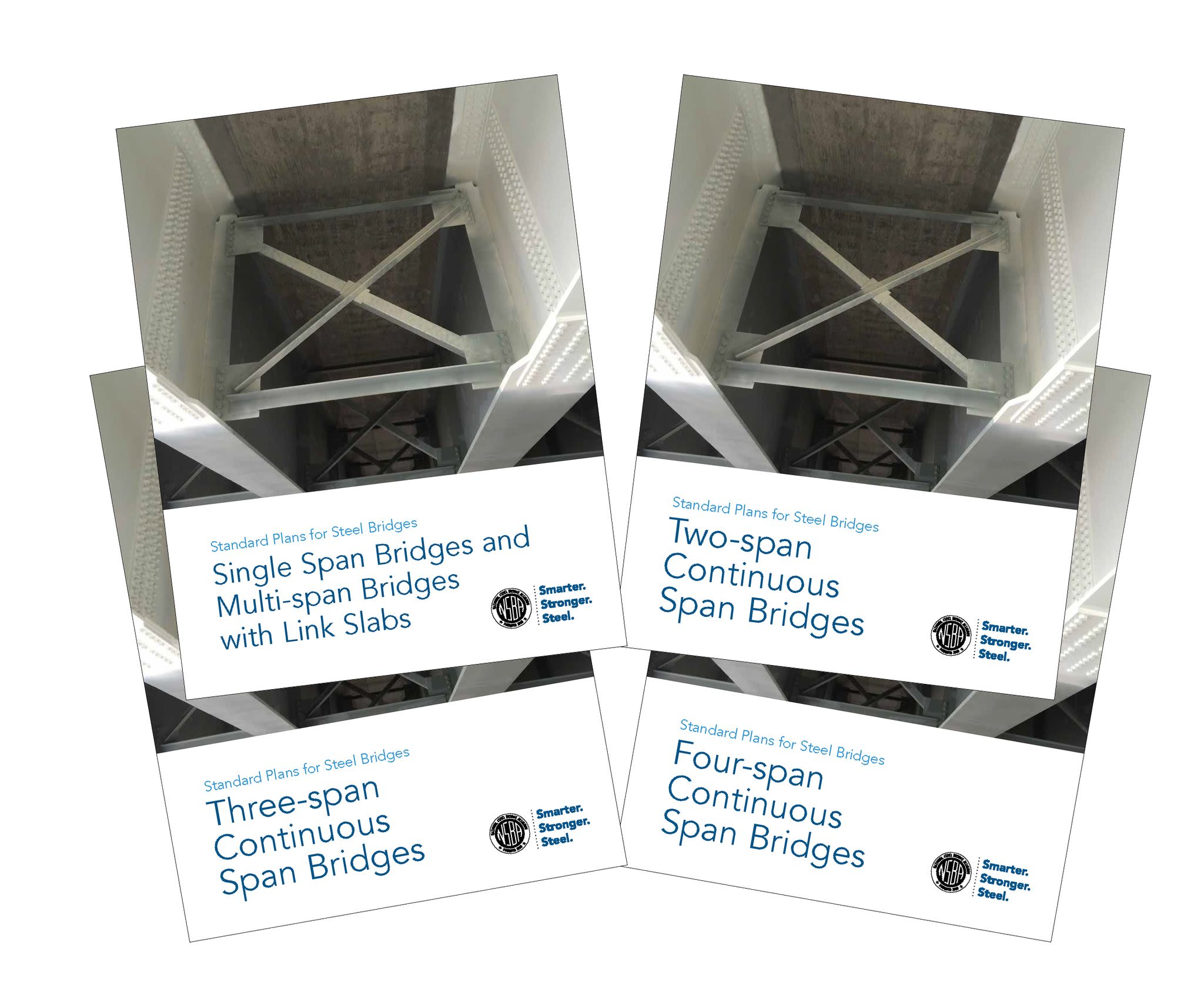
The AISC/NSBA Standard Plans for Steel Bridges provide nearly 300 straight steel I-girder bridge plans for various span arrangements and lengths, optimized for cost-efficiency throughout the design, material selection, fabrication, and construction processes.
The AISC/NSBA Standard Plans for Steel Bridges provide nearly 300 straight steel I-girder bridge plans for various span arrangements and lengths, optimized for cost-efficiency throughout the design, material selection, fabrication, and construction processes.
- AISC and NSBA funded the first instructor in the Purdue Bridge Engineering Program. This program addresses the void in bridge engineering education at the university level and helps to prepare students to work on steel bridges with DOTs and design firms. We also secured additional financial support from AISC fabricator members to help initiate and sustain the program for the next five years.
- We published AISC/NSBA Standard Plans for Steel bridges for one-, two-, three-, and four-span steel girder bridges with spans up to 300 ft. NSBA provided presentations at steel bridge forums and industry meetings on the usefulness of these standards.
- We initiated and progressed updates to the NSBA Steel Bridge Design Handbook and LRFD Simon software to align with the 10th Edition AASHTO LRFD Bridge Design Specifications.
- NSBA released the second edition of Accelerated Steel: Achieving Speed in Steel Bridge Fabrication (including new emergency response content) and the updated Heat Curve Calculator reflecting current AASHTO requirements.
- The AASHTO/NSBA Steel Bridge Collaboration continues to be quite successful:
We published and approved key AASHTO/NSBA Collaboration documents: G12.2 Guidelines for Steel Bent Caps, G13.2 Guidelines for the Analysis of Trusses, G4.1 Steel Bridge Fabrication QC/QA Guidelines, G18.1 Duplex Stainless Steel Plate Materials, and G18.2 Design of Duplex Stainless Steel Bridges.
Currently underway are additional AASHTO/NSBA Collaboration publications, including S8.1 Coating Systems with Zinc-Rich Primers, G11.1 Guidelines to Design Cross-Frame and Diaphragm Members, and an updated version of NSBA’s Uncoated Weathering Steel Guide, converting it to an AASHTO/NSBA Collaboration guideline.
The AASHTO/NSBA Steel Bridge Collaboration continues to grow, with the most recent meeting attracting 138 attendees (with 25 first-time participants), marking a 242% growth during the past decade.
- NSBA supported ongoing research, including baseline testing of corrosion production systems.
- Going forward, we're expanding our work on steel bridge maintenance, preservation, and durability, as well as working with new AASHTO committees that address coatings and bridge maintenance.
- A new resources for contractors webpage will help contractors make informed decisions and streamline the bidding process. These practical tools and reference materials feature relevant links, visual aids, and detailed guidance, offering insights that highlight the advantages of steel solutions.
- NSBA finalized a new guidance document for everything a DOT must consider when designing and constructing a typical grade separation bridge over a freeway. The guide focuses on aspects of steel bridges that are advantageous to this bridge type, including: light weight, vertical clearance, and horizontal clearance.
- Currently, the team is working on a Steel Price Adjustment Guide Document, which defines how a DOT can utilize a steel price adjustment to mitigate risk in steel raw material pricing.
- NSBA increased the number of steel bridge forums from four to seven in 2025, including our first Railroad Owner Steel Bridge Forum, and a forum for a general contractor/erector. Plus, we hosted two all-day workshops and offered three steel bridge webinars.
- The report on phase two testing of our Optimal Railroad Short Span Bridge will be finalized by the end of the year. The prototype bridge continues to perform as expected at the MxV testing facility. Phase three of the project is underway, which includes standard plans for the optimal span, ranging from 30 ft to 60 ft spans, at 1 ft increments, that will be adopted by several Class I railroads.
AISC advances the use of domestic structural steel—and our members are at the heart of that mission.
Join a network that includes designers, educators, fabricators, mills, erectors, and suppliers across the country.


©2025 American Institute of Steel Construction. All Rights Reserved. Terms & Conditions